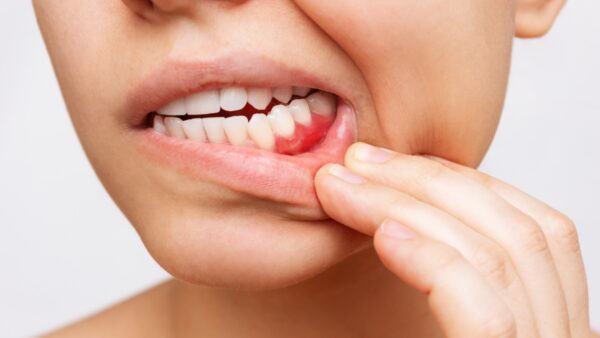
A sudden toothache, a broken tooth, or unexpected swelling in your gums can quickly turn an ordinary day into a stressful situation. When dental pain strikes, one of the first questions people ask is, “Is this a dental emergency, or can it wait until my next appointment?”
Knowing the difference can protect your oral health, prevent complications, and potentially save a damaged tooth.
A dental emergency generally involves severe pain, uncontrolled bleeding, significant injury, or signs of infection that require prompt professional attention. Some situations need treatment within hours, while others can safely wait for a scheduled dental appointment. More serious conditions, such as difficulty breathing, severe facial trauma, or uncontrolled bleeding, require immediate hospital emergency care.
At Pascack Dental Arts in Montvale, NJ, we understand that dental emergencies rarely happen at convenient times. Whether you wake up with a throbbing toothache, experience a dental injury during a sporting event, or notice sudden swelling around a tooth, knowing when to seek treatment is essential.
Our dental practice serves patients throughout Montvale, Park Ridge, Hillsdale, Woodcliff Lake, River Vale, and surrounding Bergen County communities. We offer comprehensive dental services and a 24-hour emergency phone line to help patients get guidance when urgent dental problems arise.
In this guide, we’ll explain what qualifies as a dental emergency, the warning signs you should never ignore, how to manage common dental injuries, and when to contact an emergency dentist immediately.
What Is Considered a Dental Emergency?
A dental emergency is any oral health condition that requires prompt evaluation or treatment to relieve significant pain, control bleeding, manage infection, or prevent permanent damage to the teeth, gums, or surrounding tissues.
Some dental emergencies develop suddenly because of an accident. Others result from untreated cavities, gum disease, or infections that gradually become more serious.
Common dental emergencies include:
- Severe or persistent toothaches that interfere with sleeping, eating, or daily activities.
- Knocked-out permanent teeth that require immediate attention.
- Broken or fractured teeth that cause pain, bleeding, or exposed inner tooth structures.
- Dental abscesses that produce swelling, pain, or signs of infection.
- Uncontrolled bleeding following an injury or dental procedure.
- Loose or displaced permanent teeth caused by trauma.
- Lost crowns or fillings accompanied by significant pain.
- Sudden swelling of the gums, jaw, or face.
The urgency depends on the severity of the symptoms, the underlying cause, and the risk of complications.
For example, a small chip in a tooth without pain may be able to wait for a routine appointment. However, a knocked-out permanent tooth requires immediate attention because delaying treatment can reduce the likelihood of saving it.
If you’re unsure whether your symptoms qualify as an emergency, contact your dentist rather than waiting for the problem to worsen.
7 Common Dental Emergencies That Require Immediate Attention
1. Severe Toothache That Won’t Go Away
A severe toothache is one of the most common reasons patients seek emergency dental care.
Although occasional tooth sensitivity may not be an emergency, intense, persistent, or throbbing pain can indicate a more serious dental condition.
Possible causes include deep tooth decay, inflammation of the dental pulp, a cracked tooth, a dental abscess, or an infection affecting the surrounding gum tissue.
You should contact an emergency dentist if your toothache:
- Becomes increasingly painful over several hours.
- Prevents you from sleeping or eating.
- Causes significant pain when biting or chewing.
- Is accompanied by swelling or a bad taste in your mouth.
- Continues despite appropriate over-the-counter pain medication.
- Develops after an injury to your teeth or jaw.
A severe toothache may indicate that the nerves or tissues inside the tooth have become inflamed or infected.
Depending on the diagnosis, treatment may involve a dental filling, crown, root canal therapy, or tooth extraction.
At Pascack Dental Arts, our team evaluates the source of dental pain and recommends treatment designed to relieve discomfort while preserving natural teeth whenever possible.
2. Knocked-Out Permanent Tooth
A knocked-out permanent tooth is one of the most time-sensitive dental emergencies.
Whether the injury occurs during a sporting event, bicycle accident, fall, or unexpected collision, immediate action can improve the chances of successfully saving the tooth.
If a permanent tooth is knocked out, follow these steps:
- Locate the tooth and pick it up by the crown, the part normally visible above the gums.
- Avoid touching or scrubbing the root.
- If the tooth is dirty, gently rinse it with milk, saline, or a brief stream of water. Do not use soap.
- If possible, gently reposition the tooth in its socket without forcing it.
- If reinsertion isn’t possible, place it in milk or an appropriate tooth-preservation solution.
- Contact an emergency dentist and seek treatment immediately.
Ideally, treatment should begin within approximately 30 minutes, although a tooth may still be treatable after that window. Do not delay seeking care because more time has passed.
Never attempt to reinsert a knocked-out baby tooth. Doing so could damage the developing permanent tooth beneath it.
The American Dental Association emphasizes keeping knocked-out permanent teeth moist and obtaining dental treatment as quickly as possible.
3. Cracked, Broken, or Fractured Tooth
A cracked or broken tooth may occur when biting into hard food, grinding your teeth, or experiencing an injury.
Not every chipped tooth requires immediate treatment. However, fractures that cause significant pain, bleeding, or sensitivity should be evaluated promptly.
Signs of a potentially serious tooth fracture include sharp pain when biting, a visible crack extending toward the gumline, a large missing section of the tooth, or sensitivity to temperature changes.
If you break a tooth, rinse your mouth with warm water, apply a cold compress to the outside of your cheek if swelling develops, and save any broken fragments you can locate.
Avoid chewing on the damaged tooth until your dentist evaluates it.
Treatment depends on the extent of the damage and may include dental bonding, a crown, root canal therapy, or extraction when the tooth cannot be restored.
Seeking treatment early may help prevent additional fractures, infection, and unnecessary tooth loss.
4. Dental Abscess or Serious Tooth Infection
A dental abscess is a collection of pus caused by a bacterial infection. It can develop around the root of a tooth or within the gum tissues.
Dental infections should never be ignored because they can spread beyond the original affected area.
Common warning signs include:
- Persistent or throbbing tooth pain.
- Swelling near the gums or jaw.
- A pimple-like bump on the gum.
- An unpleasant taste or drainage in the mouth.
- Pain when chewing or biting.
- Fever or feeling generally unwell.
A localized abscess requires urgent dental evaluation, even when the pain is manageable.
If swelling spreads rapidly or is accompanied by difficulty breathing or swallowing, seek emergency medical treatment immediately.
Dental abscess treatment may involve drainage, root canal therapy, extraction, or antibiotics when clinically indicated. Antibiotics alone do not necessarily eliminate the source of infection.
Patients with diabetes, compromised immune systems, or certain underlying medical conditions may face additional risks from untreated infections.
At Pascack Dental Arts, we encourage patients to contact our office promptly when they notice symptoms suggesting a dental infection.
5. Uncontrolled Bleeding From the Mouth
Minor bleeding after brushing or flossing may indicate gum inflammation rather than an immediate emergency.
However, persistent or heavy bleeding after an injury, tooth extraction, or oral surgery can require urgent attention.
If bleeding occurs, place clean gauze over the affected area and apply steady pressure.
Avoid repeatedly removing the gauze to check the wound because doing so may interfere with clot formation.
Contact your dentist if bleeding continues despite appropriate pressure or appears excessive.
If bleeding is heavy, uncontrolled, or accompanied by dizziness, weakness, or significant trauma, seek emergency medical care immediately.
Patients taking blood-thinning medications should inform their dentist or emergency medical provider, as these medications can affect bleeding management.
6. Loose or Displaced Permanent Tooth
A permanent tooth that becomes loose after an accident requires immediate dental evaluation, even if it remains attached.
The injury may affect the supporting ligaments, surrounding bone, or internal structures of the tooth.
Symptoms can include tooth movement, pain when biting, bleeding around the gums, or a tooth that appears pushed out of its normal position.
Avoid wiggling the tooth or attempting to force it into place.
Your dentist may recommend stabilizing the tooth with a temporary splint or providing additional treatment depending on the severity of the injury.
Early intervention can improve the likelihood of preserving the affected tooth.
7. Lost Dental Crown or Filling With Severe Pain
Losing a crown or filling does not always qualify as a dental emergency.
However, the situation becomes more urgent when the exposed tooth causes significant pain, interferes with eating, or has sharp edges that injure your tongue or cheeks.
A missing restoration can leave weakened tooth structures vulnerable to further damage.
If a crown falls out, keep it in a clean container and bring it to your dental appointment.
Avoid using household glue or attempting permanent repairs yourself.
Temporary dental cement sold at pharmacies may sometimes provide short-term protection, but it is not a substitute for professional treatment.
Your dentist will determine whether the original restoration can be reattached or whether a new crown, filling, or other treatment is necessary.
When Should You Go to the Emergency Room Instead of a Dentist?
Although dentists can manage most tooth-related emergencies, certain situations require immediate hospital treatment.
Seek emergency medical care immediately if you experience:
- Difficulty breathing or swallowing.
- Rapidly spreading swelling involving the face, jaw, neck, or throat.
- Uncontrolled or severe bleeding.
- Suspected broken jaw or major facial trauma.
- Severe dental infection accompanied by serious systemic symptoms, such as high fever, confusion, or profound weakness.
- Loss of consciousness or significant head injury.
Call 911 when symptoms are life-threatening.
Hospital emergency departments can stabilize serious infections, control dangerous bleeding, and manage facial injuries. However, definitive dental treatment may still be necessary after the medical emergency is addressed.
For dental pain or injuries without life-threatening symptoms, contacting an emergency dentist is generally the appropriate first step.
What Dental Problems Can Wait Until a Regular Appointment?
Not every dental problem requires immediate treatment.
Some conditions can be evaluated during a routine dental visit, provided they are not accompanied by severe pain, infection, or other concerning symptoms.
Examples include mild tooth sensitivity, a small painless chip, minor cosmetic damage, or a lost filling that is not causing significant discomfort.
However, even seemingly minor dental problems should not be ignored indefinitely.
A small cavity can become larger, a weakened tooth can fracture, and mild gum inflammation can progress if the underlying cause is not addressed.
If you are uncertain about the urgency of your symptoms, calling your dentist allows the office to recommend an appropriate appointment timeframe.
What Should You Do While Waiting for Emergency Dental Treatment?
When a dental emergency occurs, taking the right precautions before reaching your dentist may help reduce discomfort and prevent additional damage.
Rinse Your Mouth Gently
Rinsing with warm water can help remove food particles and debris.
If your mouth is injured, avoid vigorous rinsing that could disturb a developing blood clot.
Apply a Cold Compress
For swelling caused by trauma, apply a cold compress to the outside of your cheek for approximately 10 to 15 minutes at a time.
Use a cloth between the cold compress and your skin.
Avoid applying heat to an area affected by significant swelling or suspected infection.
Take Appropriate Pain Medication
Over-the-counter pain relievers, such as acetaminophen or ibuprofen, may temporarily reduce dental discomfort when used according to package directions and when medically appropriate.
Some medications may not be suitable for patients with certain medical conditions or those taking other prescriptions.
Never place aspirin directly against your gums or an aching tooth because it can damage the soft tissues.
Avoid Chewing on the Affected Side
If a tooth is cracked, loose, or painful, avoid putting additional pressure on it.
Choose soft foods and avoid extremely hot, cold, hard, or sticky foods until your dentist evaluates the problem.
Contact Your Dentist
Home remedies can sometimes provide temporary relief, but they cannot correct the underlying cause of most dental emergencies.
If you need an emergency dentist in Montvale, NJ, contact Pascack Dental Arts at (201) 391-5565.
Our 24-hour emergency phone service allows patients to reach out for guidance outside regular office hours.
What Happens During an Emergency Dental Appointment?
Patients experiencing dental emergencies often feel anxious, particularly when they are unsure what treatment will involve.
At Pascack Dental Arts, our priority is to identify the cause of your symptoms, address urgent concerns, and recommend appropriate treatment.
Step 1: Evaluate Your Symptoms
Your dentist will ask about your pain, recent injuries, medical history, medications, and when your symptoms began.
This information helps determine the urgency and possible causes of the problem.
Step 2: Perform a Dental Examination
A clinical examination and diagnostic imaging, when appropriate, can help identify fractures, infections, decay, or damage to surrounding tissues.
Step 3: Discuss Treatment Options
Once the condition has been evaluated, your dentist will explain the findings and recommended treatment.
Depending on your dental emergency, options may include a filling, crown, root canal therapy, tooth stabilization, drainage of an infection, or extraction.
Step 4: Address Pain and Immediate Concerns
Emergency treatment focuses on stabilizing the condition, reducing discomfort, and preventing additional complications.
Some problems can be resolved during one appointment, while others require follow-up treatment.
Step 5: Plan Long-Term Dental Care
After the immediate issue has been addressed, your dentist may recommend additional restorative or preventive care.
The goal is not only to treat the emergency but also to reduce the likelihood of similar problems developing in the future.
How Can You Prevent Dental Emergencies?
Although accidents cannot always be prevented, maintaining good oral health can reduce the risk of many dental emergencies.
Regular dental examinations allow your dentist to identify cavities, weakened restorations, gum disease, and other concerns before they become more serious.
Practicing consistent oral hygiene is equally important.
Brush twice daily with fluoride toothpaste, clean between your teeth every day, and follow your dentist’s recommendations for professional cleanings.
Patients who participate in contact sports should wear properly fitted mouthguards to protect against dental injuries.
Avoid chewing ice, hard candy, and other objects that may fracture teeth.
Never use your teeth to open packages, remove bottle caps, or perform tasks better suited to tools.
If you grind your teeth while sleeping, ask your dentist whether a custom nightguard may help protect against excessive wear and fractures.
Preventive dentistry cannot eliminate every emergency, but it can help preserve healthy teeth and reduce avoidable dental complications.
Why Choose Pascack Dental Arts for Emergency Dental Care in Montvale, NJ?
When you experience unexpected dental pain or an injury, having access to an established dental practice can make a significant difference.
At Pascack Dental Arts, we have been serving our local community since 1989, providing comprehensive dental care with an emphasis on patient comfort, personalized treatment, and long-term oral health.
Our practice offers several advantages for patients seeking emergency dental care.
24-Hour Emergency Phone Service
Dental emergencies can occur at night, on weekends, or during holidays. Our emergency phone service provides a way to contact our practice when urgent concerns arise outside normal business hours.
Comprehensive Dental Services
Our services include restorative dentistry, root canal therapy, dental crowns, tooth extractions, oral surgery, and other treatments that may be necessary following a dental emergency.
Advanced Diagnostic Technology
Modern dental technology helps our team evaluate oral health conditions and develop individualized treatment recommendations.
Experienced, Patient-Focused Care
We understand that dental emergencies can be painful and frightening. Our team works to provide a welcoming environment where patients can discuss their concerns and understand their treatment options.
Convenient Bergen County Location
Located at 21 S. Kinderkamack Road in Montvale, NJ, Pascack Dental Arts welcomes patients from Park Ridge, Hillsdale, Woodcliff Lake, River Vale, Westwood, Upper Saddle River, Saddle River, and nearby communities.
Our team also speaks English, Spanish, and Russian to help make dental care accessible to more families in our community.
Frequently Asked Questions About Dental Emergencies
1. Is a Severe Toothache Considered a Dental Emergency?
Yes. A severe, persistent toothache that interferes with sleeping, eating, or normal activities may qualify as a dental emergency. It can indicate advanced decay, nerve inflammation, a cracked tooth, or an infection. Contact a dentist promptly for evaluation, especially if the pain is accompanied by swelling or fever.
2. Can I Wait Until Tomorrow to See a Dentist for a Broken Tooth?
It depends on the severity of the damage. A small chip without pain may be able to wait for a scheduled appointment. However, a large fracture, severe pain, bleeding, or a loose tooth requires prompt evaluation. Contact your dentist for guidance rather than assuming the injury can wait.
3. What Should I Do If I Have a Dental Emergency at Night?
Call your dentist’s emergency phone number and describe your symptoms. Pascack Dental Arts offers a 24-hour emergency phone service at (201) 391-5565. If you experience difficulty breathing, severe facial swelling, or uncontrolled bleeding, seek emergency hospital care immediately.
4. Can an Emergency Dentist Save an Infected Tooth?
In some cases, yes. Root canal therapy or another appropriate treatment may allow an infected tooth to be preserved. The outcome depends on the severity of the infection, the condition of the tooth, and the surrounding tissues. Early diagnosis and treatment can improve the available options.
5. How Quickly Should I See a Dentist After Knocking Out a Tooth?
A knocked-out permanent tooth requires immediate attention. Ideally, seek treatment within approximately 30 minutes. Keep the tooth moist, avoid touching the root, and contact an emergency dentist right away. Never attempt to reinsert a knocked-out baby tooth.
Don’t Ignore a Dental Emergency. Contact Pascack Dental Arts Today.
Dental emergencies can happen unexpectedly, but knowing how to respond can make a significant difference in protecting your teeth and oral health.
Whether you are experiencing a severe toothache, a broken tooth, a dental infection, or an injury, prompt professional evaluation can help reduce pain and prevent additional complications.
At Pascack Dental Arts, we are committed to helping patients throughout Montvale and Bergen County receive dependable dental care when they need it.
If you are experiencing dental pain or believe you have a dental emergency, don’t wait for the condition to become more serious.
Need an Emergency Dentist in Montvale, NJ?
Pascack Dental Arts
Address: 21 S. Kinderkamack Road, Montvale, NJ 07645
Phone: (201) 391-5565
This article provides general dental health information and does not replace a professional examination, diagnosis, or treatment. If you experience a life-threatening emergency, call 911.