Your gums play an essential role in maintaining a healthy smile. They protect the roots of your teeth, support the structures that hold your teeth in place, and help prevent harmful bacteria from affecting the tissues beneath your gumline. However, many people overlook early warning signs of gum disease until the condition becomes more serious.
If you’ve noticed bleeding when brushing, persistent bad breath, swollen gums, or teeth that appear longer than they used to, your mouth may be telling you something important.
Gum disease, also known as periodontal disease, is a common oral health condition that can lead to gum recession, bone loss, and eventually tooth loss if left untreated. Fortunately, identifying the symptoms early and seeking professional dental care can help prevent serious complications.
At Pascack Dental Arts in Montvale, NJ, we help patients throughout Bergen County recognize the signs of periodontal disease and protect their oral health through preventive dentistry, periodontal evaluations, and personalized treatment.
In this guide, we’ll explain the seven warning signs of gum disease, what causes the condition, how dentists diagnose it, and when you should schedule an appointment.
What Is Gum Disease?
Gum disease is an inflammatory condition affecting the gums and supporting structures surrounding your teeth. It generally develops when bacteria in dental plaque accumulate along and beneath the gumline.
Plaque is a sticky bacterial film that continuously forms on teeth. Without proper brushing, flossing, and professional dental cleanings, plaque can harden into tartar, also called calculus.
Unlike plaque, tartar cannot be removed with ordinary brushing or flossing. Professional dental instruments are necessary to remove it.
As bacteria accumulate, the body’s inflammatory response can damage the gum tissue and, in more advanced cases, the bone supporting the teeth.
There are two major forms of gum disease.
Gingivitis: The Early Stage of Gum Disease
Gingivitis is the earliest and mildest form of gum disease. It occurs when plaque accumulation irritates the gums, causing inflammation.
Common symptoms include:
- Red or swollen gums
- Bleeding during brushing or flossing
- Tenderness along the gumline
- Persistent irritation
- Occasional bad breath
The good news is that gingivitis is generally reversible with professional dental care and consistent oral hygiene.
However, ignoring these symptoms can allow inflammation to persist and may increase the risk of more serious periodontal problems.
Periodontitis: Advanced Gum Disease
Periodontitis is a more serious condition that affects the tissues and bone supporting your teeth.
As the disease progresses, the gums may separate from the teeth, creating periodontal pockets where bacteria can accumulate.
Over time, this can result in:
- Permanent loss of supporting bone
- Gum recession
- Deep periodontal pockets
- Tooth mobility
- Changes in bite alignment
- Tooth loss
Unlike gingivitis, periodontitis cannot simply be reversed with brushing and flossing. However, professional periodontal treatment can often control the disease and help prevent additional damage.
Early diagnosis is one of the most important steps toward protecting your natural teeth.
1. Bleeding Gums When Brushing or Flossing
One of the earliest and most recognizable warning signs of gum disease is bleeding during routine oral hygiene.
You might notice pink toothpaste when you spit, blood on your toothbrush, or bleeding while flossing between your teeth.
Although occasional bleeding can result from brushing too aggressively or using improper flossing techniques, repeated bleeding should never be ignored.
Why Do Gums Bleed?
Healthy gums generally do not bleed during gentle brushing and flossing.
When plaque accumulates along the gumline, bacteria can trigger inflammation. Inflamed gum tissue becomes more sensitive and may bleed with minimal contact.
Bleeding gums can also be associated with hormonal changes, certain medications, and other medical conditions.
When Should You See a Dentist for Bleeding Gums?
Schedule a dental examination if:
- Your gums bleed repeatedly while brushing.
- Flossing consistently causes bleeding.
- Bleeding occurs alongside swelling or tenderness.
- You notice bleeding without an obvious cause.
- Your gums appear increasingly irritated.
A dentist can determine whether gingivitis, periodontal disease, improper brushing technique, or another condition is responsible.
At Pascack Dental Arts, periodontal evaluations help identify the underlying cause of gum inflammation so that appropriate treatment can begin.
2. Red, Swollen, or Tender Gums
Healthy gums are generally firm and fit closely around your teeth. Their natural color can vary depending on an individual’s pigmentation.
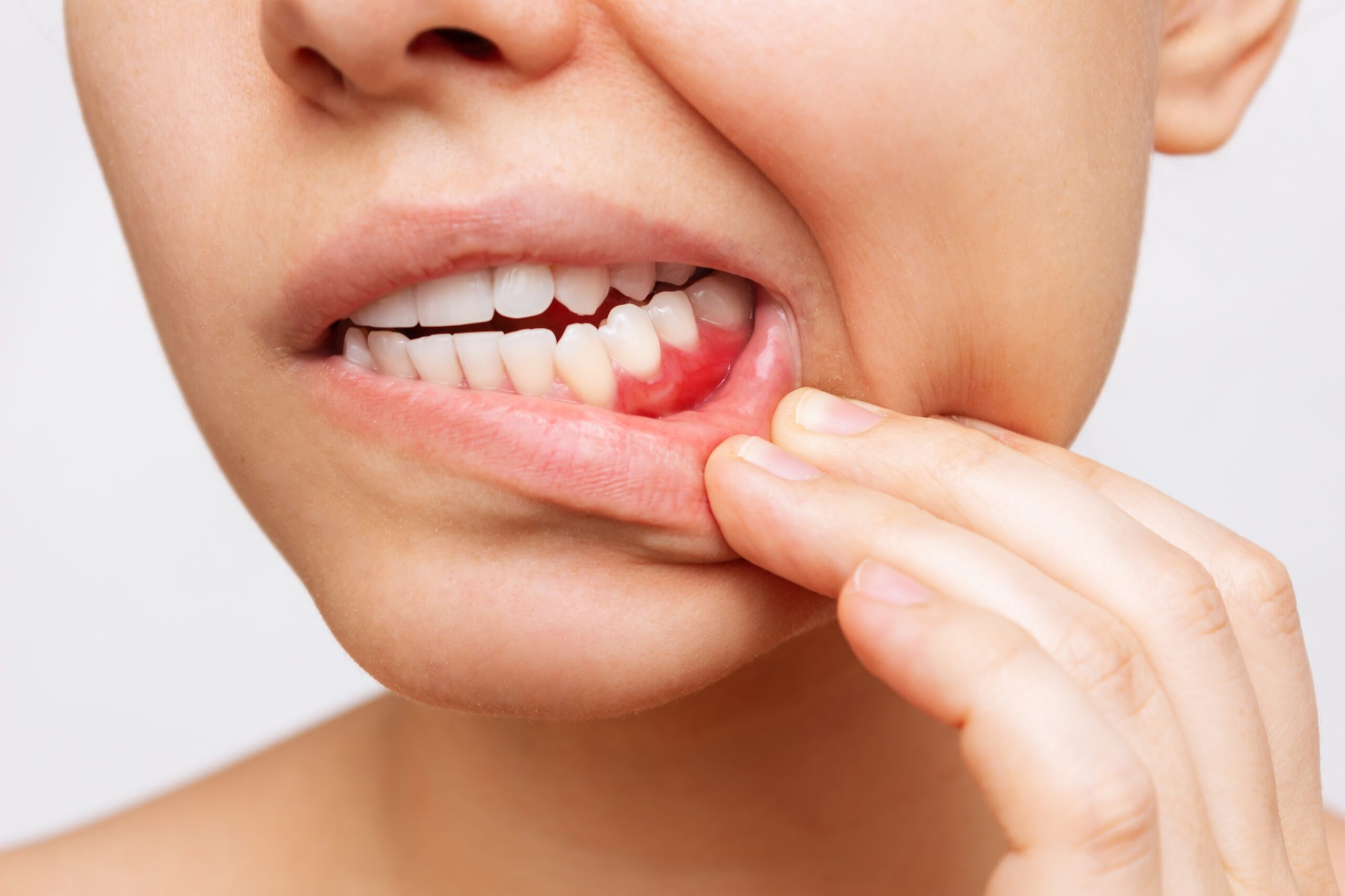
When gums become noticeably swollen, unusually red, or tender, inflammation may be developing.
What Causes Swollen Gums?
One common cause is bacterial plaque accumulating along the gumline.
The body’s immune system responds to these bacteria, producing inflammation in the surrounding tissues.
You may notice:
- Puffy gums around individual teeth
- Tenderness while eating
- Discomfort during brushing
- Swelling between teeth
- Gums that appear irritated or shiny
Swelling can affect one small area or several regions of your mouth.
Although gum inflammation is frequently associated with gingivitis, other problems, including localized infections or irritation, can produce similar symptoms.
Why You Shouldn’t Ignore Gum Swelling
Persistent inflammation may indicate an ongoing problem that requires professional attention.
If plaque and tartar remain beneath the gumline, the condition can worsen over time.
A professional dental examination can help distinguish mild gingivitis from more advanced periodontal disease.
If your gums remain swollen, painful, or irritated, schedule a dental appointment rather than waiting for the symptoms to disappear.
3. Persistent Bad Breath That Doesn’t Go Away
Everyone experiences occasional bad breath, particularly after eating certain foods or waking up in the morning.
However, chronic bad breath that continues despite brushing, flossing, and mouthwash may indicate an underlying dental problem.
Persistent bad breath is also known as halitosis.
How Is Bad Breath Connected to Gum Disease?
Bacteria associated with periodontal disease can accumulate around the teeth and beneath the gumline.
These bacteria may produce unpleasant odors, especially when plaque, tartar, and infected gum tissue are present.
You might experience:
- Bad breath shortly after brushing
- An unpleasant taste in your mouth
- Persistent odor despite using mouthwash
- A recurring metallic or foul taste
- Bad breath accompanied by bleeding gums
It’s important to understand that not all chronic bad breath is caused by gum disease.
Dry mouth, tooth decay, certain foods, medications, and medical conditions may also contribute.
Can Mouthwash Treat Gum Disease?
Mouthwash may temporarily improve breath odor, but it cannot remove hardened tartar or repair damage caused by advanced periodontal disease.
Even antibacterial rinses should not be considered a substitute for professional treatment when gum disease is present.
If bad breath persists, a comprehensive dental evaluation can help identify its cause.
4. Receding Gums or Teeth That Look Longer
Have you noticed that your teeth appear longer than they used to?
Perhaps your gumline seems uneven, or the roots of certain teeth have become more visible.
These changes may indicate gum recession.
What Is Gum Recession?
Gum recession occurs when gum tissue moves away from its normal position around a tooth, exposing more of the tooth surface or root.
Periodontal disease is one possible cause, but recession can also result from aggressive brushing, tooth positioning, trauma, and other factors.
Signs of gum recession include:
- Teeth appearing unusually long
- Exposed tooth roots
- Increased sensitivity near the gumline
- Visible changes in gum height
- Notches or exposed areas near the roots
Why Is Gum Recession a Concern?
The roots of your teeth do not have the same protective enamel covering as the crowns.
When root surfaces become exposed, they may be more vulnerable to sensitivity and decay.
Significant recession can also indicate damage to the tissues supporting your teeth.
Can Receding Gums Grow Back?
Lost gum tissue generally does not regenerate on its own.
However, periodontal treatment can address underlying inflammation and help prevent further recession.
Depending on the cause and severity, a dentist may recommend improved brushing techniques, periodontal therapy, monitoring, or gum grafting.
Pascack Dental Arts offers periodontal care that includes evaluation and treatment of gum recession.
5. Loose Teeth or Changes in Your Bite
Adult teeth should remain firmly supported by healthy periodontal tissues and jawbone.
If a permanent tooth begins to feel loose, shifts position, or changes the way your teeth fit together, it may indicate a significant dental problem.
Why Can Gum Disease Cause Loose Teeth?
Advanced periodontitis can damage the periodontal ligament and bone that support your teeth.
As these structures deteriorate, teeth may lose stability.
Possible symptoms include:
- Teeth moving slightly when touched
- New gaps developing between teeth
- Changes in tooth alignment
- Difficulty biting comfortably
- Changes in how upper and lower teeth meet
- A partial denture fitting differently than before
These symptoms may develop gradually, making them easy to overlook.
Are Loose Adult Teeth Always Caused by Gum Disease?
No. Loose teeth may also result from injury, excessive biting forces, or other dental conditions.
However, tooth mobility should always be evaluated promptly.
A loose permanent tooth is not something to monitor at home without professional guidance.
Early treatment may help preserve teeth that would otherwise become increasingly difficult to save.
If you notice a tooth becoming loose or shifting unexpectedly, contact your dentist promptly.
6. Tooth Sensitivity or Pain While Chewing
Sensitive teeth can occur for several reasons, including enamel wear, cavities, cracked teeth, exposed roots, and periodontal disease.
However, when sensitivity develops alongside gum recession or inflammation, periodontal problems may be involved.
How Does Gum Disease Cause Tooth Sensitivity?
As gums recede, sensitive root surfaces may become exposed.
These surfaces can react to:
- Cold drinks
- Hot foods
- Sweet foods
- Toothbrushing
- Changes in temperature
Advanced periodontal disease can also affect the tissues supporting the teeth, sometimes causing discomfort while chewing.
What Does Gum Disease Pain Feel Like?
Some people experience tenderness around the gumline, while others notice discomfort when biting or chewing.
Importantly, gum disease can progress without causing noticeable pain.
The absence of pain does not necessarily mean your gums are healthy.
When Should Tooth Sensitivity Be Evaluated?
Contact your dentist if sensitivity is persistent, worsening, localized to one tooth, or accompanied by swelling or bleeding.
Pain while chewing may also indicate a cracked tooth, infection, or another condition requiring treatment.
A dental examination can identify the cause and determine whether periodontal treatment or another procedure is appropriate.
7. Pus Between Your Teeth and Gums
One of the more concerning signs of a possible periodontal infection is pus or discharge around the gumline.
You may notice a small swollen area, an unpleasant taste, or fluid draining from the gums.
These symptoms can indicate an infection, including a periodontal abscess.
What Is a Periodontal Abscess?
A periodontal abscess is a localized collection of pus associated with an infection in the tissues surrounding a tooth.
It may develop when bacteria become trapped within a periodontal pocket.
Possible symptoms include:
- Localized gum swelling
- Throbbing pain
- Pus near the gumline
- A persistent unpleasant taste
- Pain when biting
- Tenderness around an affected tooth
Some infections may drain temporarily, reducing pressure and discomfort. However, this does not mean the underlying infection has resolved.
When Is a Gum Infection an Emergency?
If you notice pus, a painful swelling, or signs of a dental abscess, contact a dentist promptly for an urgent evaluation.
If you develop fever with facial swelling, rapidly spreading swelling, or significant worsening symptoms, seek urgent medical assessment. Difficulty breathing or swallowing requires emergency medical care.
Dental infections should not be treated with home remedies alone.
Professional evaluation is necessary to determine whether drainage, periodontal treatment, or another procedure is required.
When Should You See a Dentist for Gum Disease?
You should schedule a dental examination whenever you notice persistent bleeding, swelling, gum recession, chronic bad breath, or other changes in your gum health.
You do not need to experience severe pain before seeking care.
In fact, periodontal disease may progress quietly for years.
Consider scheduling a periodontal evaluation if you experience any of the following:
- Repeated bleeding during brushing or flossing
- Persistent swollen or tender gums
- Bad breath that doesn’t improve
- Visible gum recession
- New sensitivity near exposed roots
- Changes in tooth alignment
- Loose permanent teeth
- Discomfort when chewing
A dental examination is particularly important if you have risk factors such as diabetes, tobacco use, or a history of periodontal disease.
Regular preventive appointments can also help identify problems before symptoms become noticeable.
What Happens During a Gum Disease Examination?
If you visit Pascack Dental Arts because you’re concerned about your gums, your dental team can evaluate your periodontal health and determine whether treatment is necessary.
A comprehensive assessment may include several steps.
1. Review of Your Dental and Medical History
Your dentist may ask about your symptoms, oral hygiene habits, medications, tobacco use, and relevant medical conditions.
This information helps identify factors that may contribute to gum inflammation or affect treatment planning.
2. Examination of Your Gum Tissue
Your gums will be examined for signs of inflammation, bleeding, recession, and other abnormalities.
Your dentist may also assess whether any teeth have become loose or shifted position.
3. Measurement of Periodontal Pockets
A small dental instrument called a periodontal probe is used to measure the spaces between your gums and teeth.
Healthy periodontal pockets are generally between one and three millimeters deep.
Deeper measurements, particularly when accompanied by bleeding or attachment loss, may indicate periodontal disease.
4. Dental X-Rays When Necessary
Dental X-rays may help your dentist evaluate the bone supporting your teeth.
These images can reveal bone loss that may not be visible during an ordinary visual examination.
5. Personalized Treatment Recommendations
After evaluating your gums, your dentist will discuss the findings and recommend appropriate care.
Depending on your condition, treatment may involve professional cleaning, scaling and root planing, additional periodontal procedures, or referral to a specialist.
Gum Disease Treatment Options in Montvale, NJ
The appropriate treatment depends on the type and severity of periodontal disease.
At Pascack Dental Arts, periodontal services include preventive care and treatments designed to address gum inflammation, recession, and supporting tissue problems.
Professional Dental Cleaning
For patients with plaque and tartar buildup but no significant periodontal attachment loss, a professional cleaning may be appropriate.
Dental cleanings remove deposits that ordinary brushing and flossing cannot eliminate.
Combined with improved daily oral hygiene, professional care can help reverse gingivitis.
Scaling and Root Planing
Scaling and root planing, often called deep cleaning, is a common nonsurgical treatment for periodontitis.
Scaling removes plaque and tartar from tooth surfaces above and below the gumline.
Root planing smooths and cleans affected root surfaces to help the gum tissues heal.
This procedure may be recommended when periodontal pockets and bacterial deposits extend beneath the gumline.
Periodontal Antibiotic Treatment
In selected cases, a dentist may recommend locally delivered or systemic antimicrobial treatment as an adjunct to mechanical periodontal therapy.
Antibiotics are not necessary for every patient with gum disease and generally do not replace professional plaque and tartar removal.
Gum Grafting
Patients with significant gum recession may benefit from gum grafting in appropriate circumstances.
This procedure can help cover exposed root surfaces, improve tissue coverage, and address certain recession-related concerns.
Not every case of recession requires grafting, and treatment recommendations depend on the underlying cause and clinical findings.
Bone Grafting and Advanced Periodontal Care
In certain cases involving bone defects or advanced periodontal damage, regenerative procedures or bone grafting may be considered.
The goal is to address specific structural problems and improve the long-term support of affected teeth when clinically appropriate.
Pascack Dental Arts provides periodontal services in Montvale, NJ, and can help patients understand which treatment options may be suitable for their individual needs.
What Happens If Gum Disease Goes Untreated?
Ignoring periodontal disease can have long-term consequences for your oral health.
Although gingivitis may initially cause only mild inflammation, untreated disease can progress in susceptible individuals.
Potential complications include:
Progressive gum recession: Gum tissue may gradually move away from the teeth, exposing sensitive root surfaces.
Periodontal pocket formation: Deeper spaces can develop between teeth and gums, creating areas where bacteria accumulate.
Bone loss: Advanced periodontitis can damage the jawbone supporting your teeth.
Tooth mobility: Teeth may become loose as supporting structures deteriorate.
Tooth loss: Severe periodontal damage may eventually make it impossible to preserve certain teeth.
More complicated dental treatment: Advanced periodontal problems may require more extensive care than early gingivitis.
Periodontal disease is also associated with certain systemic health conditions, particularly diabetes. The relationship between oral inflammation and overall health is complex, and periodontal treatment should not be viewed as a substitute for medical care.
The most important takeaway is that gum disease is often easier to manage when it is identified early.
Who Is Most at Risk for Gum Disease?
Anyone can develop gum disease, but certain factors increase the likelihood of developing periodontal problems.
Poor Oral Hygiene
Inadequate plaque removal allows bacteria to accumulate around the teeth and gums.
Smoking and Tobacco Use
Smoking is a major risk factor for periodontal disease and can interfere with healing following treatment.
Tobacco use can also reduce visible gum bleeding, making some periodontal problems less obvious.
Diabetes
People with diabetes, particularly those with poorly controlled blood glucose, have an increased risk of periodontal disease.
Periodontal inflammation and diabetes can also affect one another.
Family History and Genetics
Some individuals may have a genetic predisposition to periodontal disease.
Even patients who maintain good oral hygiene can develop periodontal problems.
Hormonal Changes
Pregnancy, puberty, and other hormonal changes may affect the way gum tissues respond to plaque.
Certain Medications
Some medications can contribute to dry mouth, gum enlargement, or other oral changes that complicate periodontal health.
Previous Periodontal Disease
Patients who have experienced periodontitis remain at increased risk of recurrence or progression and may require ongoing periodontal maintenance.
If you have one or more of these risk factors, your dentist may recommend more frequent periodontal monitoring.
How to Prevent Gum Disease and Keep Your Gums Healthy
Although not every case of periodontal disease can be prevented, consistent oral hygiene and professional dental care can significantly reduce your risk.
Brush Your Teeth Twice a Day
Use fluoride toothpaste and a soft-bristled toothbrush.
Gently clean along the gumline rather than scrubbing aggressively.
Electric toothbrushes can be helpful for patients who have difficulty maintaining effective brushing techniques.
Clean Between Your Teeth Every Day
Flossing or using an appropriate interdental cleaning device helps remove plaque from areas your toothbrush cannot reach.
Your dentist or dental hygienist can recommend the best option based on the spacing between your teeth and your periodontal health.
Schedule Regular Dental Examinations
Routine dental visits allow your dentist to identify early signs of gingivitis, gum recession, and periodontal disease.
Many patients benefit from checkups approximately every six months, although some require more frequent visits.
Avoid Tobacco Products
Quitting smoking and other tobacco use can improve oral health and support better periodontal treatment outcomes.
Manage Underlying Medical Conditions
If you have diabetes or another medical condition associated with periodontal disease, follow your healthcare professional’s recommendations.
Follow Your Periodontal Maintenance Schedule
Patients who have undergone treatment for periodontitis may require periodontal maintenance visits more frequently than patients receiving routine preventive cleanings.
Your dentist will recommend an appropriate schedule based on your individual risk and clinical findings.
Frequently Asked Questions About Gum Disease
1. What Are the First Signs of Gum Disease?
The earliest signs of gum disease commonly include bleeding while brushing or flossing, swollen gums, redness, and tenderness along the gumline. Persistent bad breath may also occur. However, some people have periodontal disease without obvious symptoms, making regular dental examinations important.
2. Can Gum Disease Go Away on Its Own?
Gingivitis may improve when plaque is effectively removed through professional cleaning and consistent home care. However, established periodontitis does not resolve on its own. Professional treatment is generally necessary to control the infection and limit further damage.
3. Is Bleeding When Flossing Normal?
Occasional bleeding can occur due to irritation or improper flossing technique, but repeated bleeding is not something to ignore. Persistent bleeding may indicate gingivitis or another oral health problem and should be evaluated by a dentist.
4. Can You Have Gum Disease Without Pain?
Yes. Gum disease frequently develops without significant pain, particularly during its earlier stages. Some patients do not realize they have periodontal disease until a dental examination reveals deep pockets, gum recession, or bone loss.
5. Can Gum Disease Cause Teeth to Fall Out?
Advanced periodontal disease can damage the bone and tissues that support teeth. If enough supporting structure is lost, teeth may become loose and eventually require extraction or fall out. Early treatment can help reduce the risk of tooth loss.
6. How Long Does Gum Disease Treatment Take?
Treatment time depends on the severity of the disease. Mild gingivitis may improve after professional cleaning and better oral hygiene, while periodontitis may require multiple treatment appointments and ongoing maintenance. Your dentist can explain the recommended treatment schedule after an examination.
7. What Is the Difference Between Gingivitis and Periodontitis?
Gingivitis is inflammation of the gums without the irreversible supporting tissue loss characteristic of periodontitis. It is generally reversible with appropriate care. Periodontitis involves destruction of the supporting tissues and bone and requires professional management to control disease progression.
8. Can Mouthwash Cure Gum Disease?
No. Mouthwash alone cannot cure periodontal disease or remove hardened tartar. Certain antimicrobial rinses may be useful as part of a dentist-recommended treatment plan, but professional dental care and effective daily plaque removal remain essential.
9. How Often Should You See a Dentist If You Have Gum Disease?
The appropriate schedule depends on your periodontal condition. Some patients need periodontal maintenance appointments approximately every three to four months, while others may follow a different schedule. Your dentist will recommend the interval based on your risk factors and response to treatment.
10. Where Can I Get Gum Disease Treatment in Montvale, NJ?
Pascack Dental Arts provides periodontal care in Montvale, New Jersey, including periodontal evaluations, scaling and root planing, gum recession treatment, and other periodontal services. Patients experiencing symptoms of gum disease can contact the office to schedule an evaluation.
Protect Your Smile With Periodontal Care at Pascack Dental Arts in Montvale, NJ
Your gums are the foundation of a healthy smile. When they become inflamed, infected, or damaged, the consequences can extend beyond occasional bleeding or discomfort.
Recognizing the warning signs of gum disease is the first step toward protecting your teeth and maintaining long-term oral health.
Whether you’re experiencing bleeding gums, persistent bad breath, gum recession, tooth sensitivity, or changes in your bite, early professional evaluation can make a meaningful difference.
At Pascack Dental Arts, we provide comprehensive dental care for patients in Montvale and surrounding Bergen County communities, including Park Ridge, Woodcliff Lake, Hillsdale, Westwood, River Vale, and nearby areas.
Our team is committed to helping patients understand their oral health, identify potential periodontal problems, and receive treatment tailored to their needs.
Don’t wait until gum disease causes permanent damage. Schedule a periodontal evaluation and take the next step toward healthier gums.
Pascack Dental Arts
21 S. Kinderkamack Road
Montvale, NJ 07645
Phone: (201) 391-5565
Website: https://pascackdental.com/
Learn More: https://pascackdental.com/services/periodontal-care-montvale-nj/
Schedule an Appointment Today