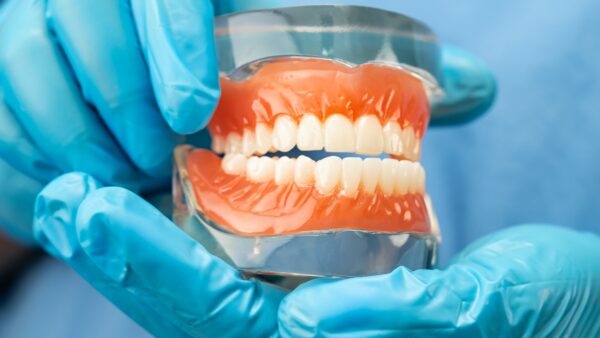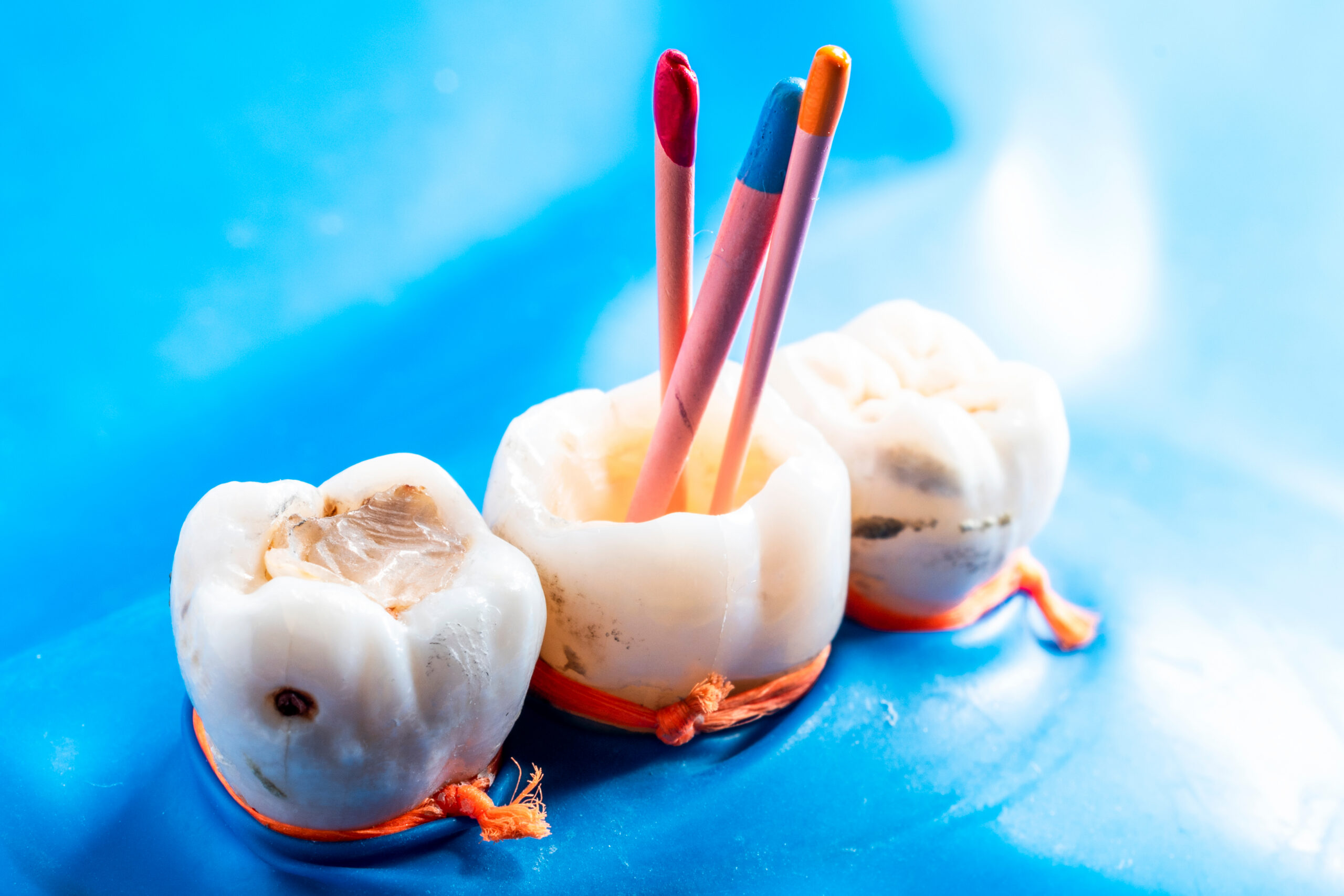
The truth is that modern root canal therapy is designed to relieve pain, not cause it. Thanks to advanced dental technology, improved anesthetics, and modern treatment techniques, root canals are now comfortable, highly successful procedures that help preserve your natural teeth.
At Pascack Dental Arts, our experienced dental team provides compassionate root canal treatment for patients throughout Montvale, Park Ridge, Woodcliff Lake, River Vale, Hillsdale, and surrounding Bergen County communities. Our goal is always to save your natural tooth whenever possible while making your experience as comfortable as possible. Pascack Dental Arts offers comprehensive family dentistry, emergency care, cosmetic dentistry, implants, orthodontics, and advanced root canal treatment under one roof.
If you have been putting off treatment because of something you’ve heard, this guide will separate the biggest root canal myths from the real facts.
What Is a Root Canal?
A root canal is a dental procedure used to remove infected or damaged tissue from inside a tooth. Deep within every tooth is soft tissue called the pulp. This pulp contains:
- Blood vessels
- Nerves
- Connective tissue
When bacteria enter the pulp because of decay, trauma, or cracks, infection develops. Left untreated, the infection may spread into the surrounding bone, causing severe pain, swelling, and even tooth loss.
During root canal treatment your dentist will:
- Remove the infected pulp
- Clean and disinfect the canals
- Seal the inside of the tooth
- Restore the tooth with a filling or crown when necessary
The result is a healthy tooth that can continue functioning for many years.
Myth #1: Root Canals Are Extremely Painful
Fact: Root Canals Relieve Pain
This is by far the biggest myth surrounding root canal therapy.
Years ago, before today’s anesthetics and dental technology, root canals could be uncomfortable. Modern dentistry has completely changed that experience.
Most patients report that having a root canal feels similar to getting a dental filling.
During treatment your dentist completely numbs the area before beginning the procedure.
Patients often experience:
- Little or no discomfort during treatment
- Immediate relief from infection-related pain
- Mild soreness afterward that typically resolves within a few days
In reality, the infection causes the pain, not the root canal.
Myth #2: Pulling the Tooth Is Better Than Saving It
Fact: Saving Your Natural Tooth Is Usually the Best Option
Some patients think extraction is easier.
While extraction may seem like a quick solution, removing a tooth often creates additional problems.
Losing a tooth can lead to:
- Shifting teeth
- Bite changes
- Bone loss
- Difficulty chewing
- Additional dental work
Replacing an extracted tooth often requires:
- Dental implants
- Bridges
- Partial dentures
These procedures generally cost more and require additional appointments.
Whenever possible, preserving your natural tooth is the healthiest long-term solution.
Myth #3: Root Canals Cause Illness
Fact: This Claim Has Been Scientifically Disproved
This myth originated from research performed over 100 years ago.
Modern scientific studies have repeatedly shown there is no evidence linking root canal treatment to systemic diseases.
Root canals actually remove infection from the body.
Treating dental infections helps improve overall oral health and prevents bacteria from spreading into surrounding tissues.
Myth #4: If My Tooth Doesn’t Hurt, I Don’t Need a Root Canal
Fact: Not All Infected Teeth Hurt
Pain is not always present.
Sometimes the nerve inside the tooth dies, eliminating discomfort while infection continues spreading beneath the surface.
Signs you may need a root canal include:
- Tooth discoloration
- Swollen gums
- Gum pimples
- Sensitivity to pressure
- Lingering hot or cold sensitivity
- Swelling around the tooth
Routine dental exams often detect infections before significant pain develops.
Myth #5: Root Canals Remove the Roots
Fact: The Roots Stay in Place
The name “root canal” can be misleading.
The dentist does not remove your tooth roots.
Instead, they clean the tiny canals located inside the roots.
The outside structure remains intact while only the infected tissue is removed.
Myth #6: Root Canals Take Multiple Long Appointments
Fact: Many Root Canals Are Completed in One Visit
Depending on the complexity of the tooth, many patients complete treatment in a single appointment.
Some cases involving severe infection or multiple canals may require two visits.
Advances in dental technology have significantly reduced treatment time while improving outcomes.
Myth #7: Root Canal Recovery Is Difficult
Fact: Most Patients Return to Normal Activities Quickly
Recovery is usually straightforward.
Most patients:
- Return to work the next day
- Resume normal routines
- Experience only mild soreness
- Need over-the-counter pain medication
Your dentist will provide instructions for eating, brushing, and protecting the treated tooth during healing.
Myth #8: Root Canals Always Fail
Fact: Root Canals Have a Very High Success Rate
Modern root canal treatment has an excellent long-term success rate.
With proper care, many treated teeth last decades or even a lifetime.
Success depends on:
- Thorough cleaning
- Proper restoration
- Good oral hygiene
- Regular dental visits
Myth #9: A Crown Is Always Required
Fact: It Depends on the Tooth
Some teeth need crowns while others do not.
Back teeth typically require crowns because they experience greater chewing pressure.
Front teeth may only require fillings if enough healthy tooth structure remains.
Your dentist will recommend the best restoration based on your individual case.
Myth #10: Root Canals Are Only for Adults
Fact: Children Sometimes Need Root Canal Treatment Too
Children can develop infected teeth from:
- Large cavities
- Dental trauma
- Sports injuries
- Cracked teeth
Baby teeth are important because they guide permanent teeth into proper position.
Saving baby teeth whenever possible supports healthy dental development.
Common Causes of Root Canal Infections
Several dental problems can damage the pulp.
These include:
Deep Cavities – Untreated decay eventually reaches the nerve.
Cracked Teeth – Small fractures allow bacteria to enter the pulp.
Repeated Dental Procedures – Multiple fillings on the same tooth can weaken it over time.
Trauma – A sports injury or accident may damage the tooth even if there is no visible crack.
Severe Gum Disease – Advanced periodontal disease can sometimes affect the tooth’s supporting structures.
Warning Signs You May Need a Root Canal
Recognizing the early signs of an infected tooth can help you seek treatment before the problem becomes more serious. While some infections cause intense pain, others develop gradually with only mild symptoms. If you notice any of the following warning signs, schedule a dental evaluation as soon as possible.
Common symptoms include:
- Persistent toothache that does not go away or worsens over time.
- Pain when chewing or biting down, especially on one specific tooth.
- Prolonged sensitivity to hot or cold foods and drinks that lingers long after the temperature is removed.
- Swollen, tender, or inflamed gums around the affected tooth.
- Darkening or discoloration of a tooth, which may indicate damage to the tooth’s pulp.
- Facial or jaw swelling, which can be a sign that the infection has spread beyond the tooth.
- A small pimple or abscess on the gums that may release pus or fluid.
- A persistent bad taste or bad breath caused by drainage from an infected tooth.
Ignoring these symptoms can allow the infection to spread deeper into the tooth, surrounding bone, and nearby tissues. In severe cases, untreated infections may lead to tooth loss or more extensive dental treatment. If you experience any of these warning signs, seeking prompt care can often save your natural tooth and relieve your discomfort before the condition worsens.
What Happens During Root Canal Treatment?
Understanding the process often reduces anxiety.
Step 1: Examination
Your dentist evaluates the tooth and takes digital X-rays.
Step 2: Local Anesthesia
The area is completely numbed.
Step 3: Access Opening
A small opening is created in the tooth.
Step 4: Cleaning
The infected pulp is removed and the canals are disinfected.
Step 5: Filling the Canals
The canals are sealed with a specialized dental material.
Step 6: Final Restoration
A filling or crown protects the tooth from future damage.
Benefits of Saving Your Natural Tooth
Root canal treatment offers many long-term advantages.
These include:
- Preserves natural chewing ability
- Maintains your smile
- Prevents neighboring teeth from shifting
- Preserves jawbone health
- Eliminates infection
- Prevents future complications
- Often costs less than extraction followed by tooth replacement
How to Prevent Needing a Root Canal
Although not every root canal can be prevented, many can.
Good habits include:
Brush Twice Daily – Use fluoride toothpaste.
Floss Every Day – Floss removes bacteria between teeth.
Visit Your Dentist Regularly – Routine cleanings help catch small problems early.
Wear a Mouthguard – Protect your teeth during sports.
Avoid Chewing Hard Objects – Ice, pens, and hard candy can crack teeth.
Address Small Cavities Quickly – Early treatment often prevents infection from reaching the pulp.
Life After a Root Canal
Once restored, your treated tooth should function like your natural teeth.
Continue to:
- Brush twice daily
- Floss every day
- Attend routine cleanings
- Wear a nightguard if recommended
- Avoid chewing extremely hard foods immediately after treatment
With proper care, your restored tooth may last for many years.
Why Choose Pascack Dental Arts?
Choosing the right dental office makes all the difference when it comes to root canal treatment.
At Pascack Dental Arts, we focus on preserving your natural teeth whenever possible while providing comfortable, patient-centered care.
Patients throughout Montvale and Bergen County choose us because we offer:
- Experienced, compassionate dental professionals
- Comprehensive family dentistry
- Advanced diagnostic technology
- Comfortable treatment environment
- Personalized care plans
- Emergency dental appointments
- Cosmetic and restorative dentistry under one roof
- Convenient scheduling for busy families
Our team understands that many patients feel anxious about root canals. We take time to explain every step, answer your questions, and ensure your comfort throughout your visit.
Frequently Asked Questions
1. How long does a root canal take?
Most procedures take between 60 and 90 minutes. Some teeth may require a second appointment depending on complexity.
2. Will I need a crown after my root canal?
Many back teeth require crowns for protection, while some front teeth can be restored with fillings. Your dentist will recommend the best option.
3. How long does a root canal last?
With proper oral hygiene and regular dental visits, a treated tooth can last for decades or even a lifetime.
4. Can I drive home after a root canal?
Yes. Local anesthesia does not prevent you from driving yourself home unless you have received sedation.
5. What happens if I delay treatment?
Delaying treatment allows infection to spread, increasing the risk of severe pain, abscess formation, bone loss, and eventual tooth extraction.
Schedule Your Root Canal Consultation at Pascack Dental Arts
If you’re experiencing tooth pain, prolonged sensitivity, or swelling, don’t let common myths prevent you from seeking treatment. Early diagnosis and prompt care can often save your natural tooth and prevent more serious complications.
The experienced team at Pascack Dental Arts proudly serves patients throughout Montvale, Park Ridge, Woodcliff Lake, Hillsdale, River Vale, and the surrounding Bergen County area with compassionate, comprehensive dental care.
Pascack Dental Arts
21 S. Kinderkamack Road
Montvale, NJ 07645
Phone: (201) 391-5565
Email: info@pascackdental.com
Schedule your appointment today and discover how modern root canal treatment can eliminate pain, protect your smile, and restore your oral health.