When people think about dental health, they often focus on teeth and gums. However, one of the most important foundations of a healthy smile is the jawbone. The jawbone supports your teeth, maintains facial structure, and plays a vital role in oral function. When bone loss occurs due to missing teeth, gum disease, or trauma, it can lead to serious oral health problems. Fortunately, modern dentistry offers an effective solution: dental bone grafting.
Bone grafting is a specialized dental procedure that restores lost bone in the jaw, helping rebuild the structure necessary for healthy teeth and successful dental implants. At Pascack Dental Arts, advanced bone grafting procedures are used to help patients restore their smiles, improve oral health, and regain confidence.
Below, we will explore how bone grafting works, why it is sometimes necessary, and how it helps rebuild both your smile and the health of your jawbone.
Understanding Jawbone Loss
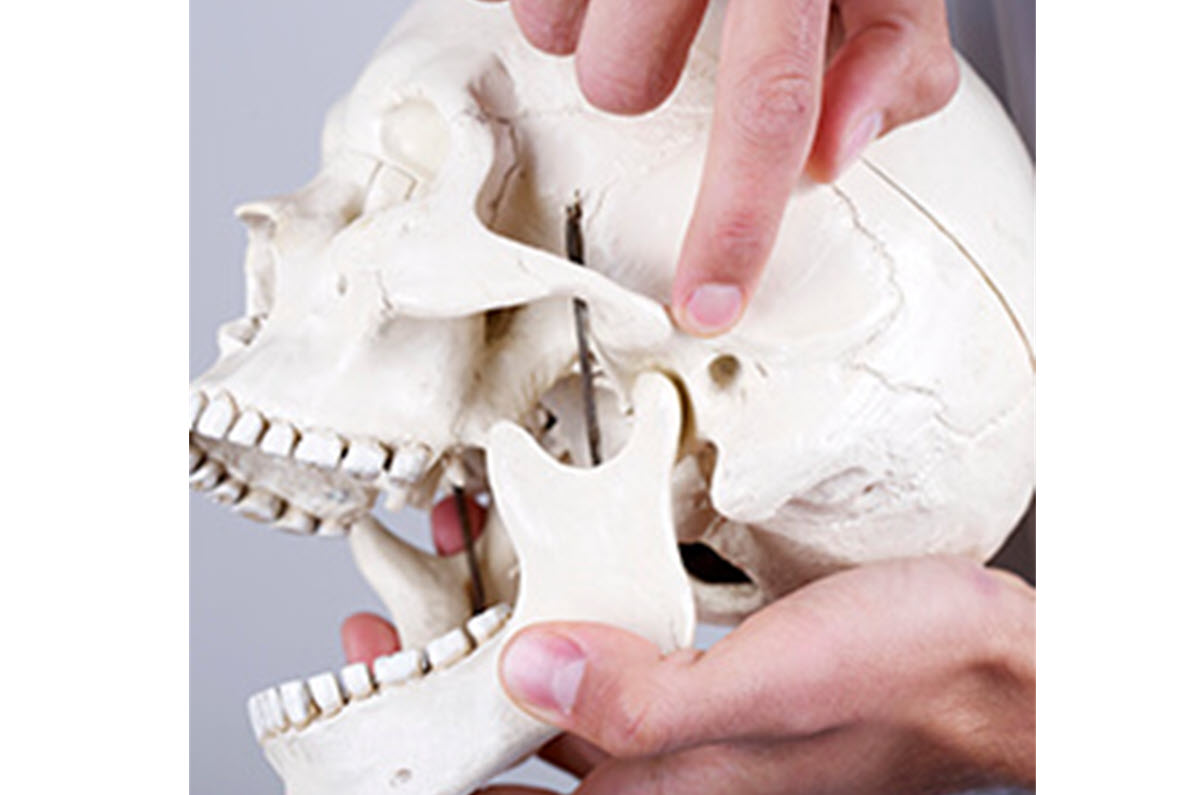
Your jawbone is living tissue that requires stimulation to remain strong and healthy. One of the primary ways the jawbone receives stimulation is through the roots of your teeth. When you chew, bite, or speak, pressure is transmitted through the tooth roots into the bone, helping maintain bone density.
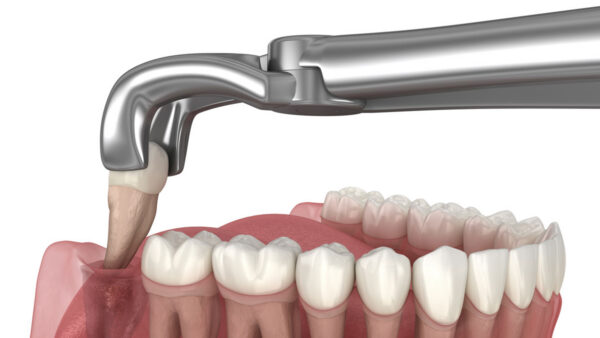
When a tooth is lost or extracted, that stimulation disappears. Over time, the bone in that area begins to deteriorate in a process known as bone resorption. This can cause the jawbone to shrink, weaken, and lose volume.
Jawbone loss may occur due to several reasons, including:
- Missing teeth
- Advanced periodontal disease
- Dental trauma or injury
- Infections affecting the bone
- Long-term denture use
Without treatment, bone loss can create serious complications that affect both oral health and appearance.
The Effects of Jawbone Deterioration
Bone loss in the jaw does more than simply weaken the structure that supports teeth. It can lead to several noticeable problems that impact daily life.
Some of the most common effects of jawbone loss include:
- Difficulty supporting dental implants
- Changes in facial structure
- Premature facial aging
- Loose or shifting teeth
- Difficulty wearing dentures
- Problems chewing or speaking
As the bone shrinks, the face may appear sunken or collapsed, especially around the mouth and cheeks. This is why untreated bone loss can make a person look older than they actually are.
Bone grafting helps restore lost bone structure and prevents these complications from worsening.
What Is Dental Bone Grafting?
Dental bone grafting is a procedure that rebuilds bone in the jaw by placing specialized grafting material into areas where bone has been lost. This grafting material stimulates the body to regenerate new bone tissue over time.
Once the graft is placed, the body begins a natural healing process in which new bone cells grow around the graft material. Over several months, the graft integrates with the existing bone, creating a stronger and more stable foundation.
The result is improved bone density and volume in the jaw, which helps support teeth, dental implants, and overall oral health.
Types of Bone Grafts Used in Dentistry
Several types of graft materials may be used during bone grafting procedures. The type selected depends on the patient’s needs and the extent of bone loss.
Common types of dental bone grafts include:
- Autografts – Bone taken from another area of the patient’s body.
- Allografts – Bone obtained from a human donor and processed for safe use.
- Xenografts – Bone derived from animal sources, commonly bovine bone.
- Synthetic grafts – Man-made materials designed to stimulate bone regeneration.
Each option offers unique advantages and can effectively help rebuild jawbone structure when performed by experienced dental professionals.
When Is Bone Grafting Necessary?
Bone grafting is often recommended when the jawbone does not have enough density or volume to support a dental implant. Dental implants require strong bone support in order to fuse properly with the jaw during a process called osseointegration.
If too much bone has been lost, placing an implant may not be possible without rebuilding the bone first.
Bone grafting may also be necessary in situations such as:
- After tooth extraction to preserve bone structure
- To support dental implants
- To repair bone damaged by periodontal disease
- To restore bone after trauma or injury
- To strengthen the jaw before advanced dental procedures
By rebuilding the jawbone, bone grafting allows patients to become candidates for treatments that would otherwise not be possible.
The Bone Grafting Procedure
Bone grafting is typically performed as an outpatient procedure in a dental office or surgical setting. The procedure is carefully planned using advanced imaging to determine the exact location and amount of bone that needs to be restored.
The general steps of the procedure include:
- Administering local anesthesia to ensure comfort
- Preparing the area where the graft will be placed
- Positioning the grafting material into the bone-deficient area
- Stabilizing the graft and protecting the site
- Allowing the area to heal while new bone forms
The healing period typically takes several months as the bone regenerates and integrates with the graft material. During this time, the body naturally builds new bone tissue around the graft.
Once the healing process is complete, the jawbone becomes stronger and capable of supporting additional dental treatments.
Bone Grafting and Dental Implants
Dental implants are widely considered the most advanced solution for replacing missing teeth. However, successful implant placement requires adequate bone density in the jaw.
When bone loss has occurred, bone grafting helps rebuild the structure necessary for implants to be securely placed.
After a bone graft heals, the newly regenerated bone creates a stable foundation that allows the implant to fuse with the jawbone. This fusion provides long-term strength and durability for replacement teeth.
Without sufficient bone support, dental implants may fail or become unstable. Bone grafting greatly improves the likelihood of long-term implant success.
Benefits of Bone Grafting
Bone grafting offers numerous benefits for patients experiencing jawbone deterioration or preparing for dental implants.
- Restores lost bone volume
- Strengthens the jawbone structure
- Improves eligibility for dental implants
- Prevents further bone loss
- Supports facial structure and appearance
- Improves oral function and stability
Beyond restoring bone, the procedure plays an important role in maintaining long-term oral health and improving overall quality of life.
Recovery After Bone Grafting
Most patients recover comfortably following a bone grafting procedure. Mild swelling, tenderness, or discomfort may occur in the first few days but typically resolves quickly.
Patients are often advised to follow simple aftercare instructions, including:
- Taking prescribed medications if needed
- Avoiding pressure on the graft area
- Maintaining proper oral hygiene
- Eating soft foods during initial healing
Regular follow-up visits allow the dentist to monitor healing and ensure the graft integrates properly with the jawbone.
With proper care, the bone graft becomes a natural part of the jaw and supports long-term oral health.
Why Choose Pascack Dental Arts for Bone Grafting
Pascack Dental Arts provides comprehensive periodontal and restorative treatments designed to rebuild oral health and restore confident smiles. Their experienced dental team uses modern techniques and advanced imaging technology to carefully plan bone grafting procedures and ensure optimal outcomes.
Every patient receives personalized treatment tailored to their specific needs, whether the goal is to restore bone structure, prepare for dental implants, or repair damage caused by periodontal disease.
With a focus on patient comfort and precision care, Pascack Dental Arts helps patients achieve stronger, healthier smiles through advanced dental procedures.
Rebuild Your Smile and Protect Your Jawbone
Jawbone loss is a serious dental concern that can affect oral health, facial structure, and overall quality of life. Fortunately, bone grafting provides a reliable solution for rebuilding lost bone and restoring a strong foundation for your smile.
Whether you are preparing for dental implants or addressing bone loss caused by missing teeth or gum disease, bone grafting can help restore both function and appearance.
If you have experienced tooth loss or have been told you may need bone grafting before implant treatment, consulting with an experienced dental team can help you understand your options and begin the path toward restoring your oral health.
Frequently Asked Questions
Question: Is bone grafting painful?
Answer: Bone grafting is typically performed with local anesthesia, so patients do not feel pain during the procedure. Mild soreness afterward is common but usually manageable with medication and proper aftercare.
Question: How long does a dental bone graft take to heal?
Answer: Healing times vary depending on the size of the graft and the patient’s overall health. In most cases, bone grafts take between three and six months to fully integrate with the jawbone.
Question: Can bone grow back after tooth loss?
Answer: Bone does not naturally regenerate on its own after significant tooth loss. Bone grafting helps stimulate the body to rebuild bone tissue in areas where it has deteriorated.
Question: Is bone grafting always required before dental implants?
Answer: Not always. Some patients have enough bone to support implants without grafting. However, if bone loss has occurred, a graft may be necessary to create a stable foundation.
Question: Who is a candidate for dental bone grafting?
Answer: Patients who have experienced jawbone loss due to missing teeth, periodontal disease, trauma, or infection may be candidates for bone grafting. A dental examination and imaging help determine the best treatment approach.
Contact Pascack Dental Arts
If you are experiencing jawbone loss or preparing for dental implants, the team at Pascack Dental Arts can help. Their experienced dental professionals provide advanced bone grafting treatments designed to rebuild jawbone structure and restore healthy smiles.
Contact Pascack Dental Arts today to schedule a consultation and learn how bone grafting can help protect your oral health and rebuild your smile.