Wisdom teeth removal is one of the most common oral surgery procedures, yet many patients still ask the same important question: Do you really need your wisdom teeth removed? The answer is not always a simple yes or no. While some people never experience issues, many others develop problems that can affect their oral health, comfort, and long-term dental stability.
Understanding what wisdom teeth are, how they develop, and when removal is recommended can help you make an informed decision. Below explains everything you need to know, including symptoms to watch for, potential risks of keeping wisdom teeth, and when extraction is truly necessary.
What Are Wisdom Teeth?
Wisdom teeth, also known as third molars, are the last set of molars to develop. They typically emerge between the ages of 17 and 25, a time traditionally associated with maturity—hence the name “wisdom” teeth.
Most people have four wisdom teeth: two on the top and two on the bottom. However, some people may have fewer, more, or none at all. These teeth were useful for our ancestors, who had larger jaws and diets that required more chewing power. Modern jaws are often smaller, leaving little room for these late-arriving molars.
Why Wisdom Teeth Often Cause Problems
Because wisdom teeth erupt after the rest of your teeth are already in place, they frequently lack adequate space to come in properly. This can lead to several issues that impact oral health.
Impaction
One of the most common problems is impaction. Impacted wisdom teeth remain trapped beneath the gum line or only partially erupt. They may grow at an angle, press against neighboring teeth, or remain completely embedded in the jawbone.
Crowding and Shifting
Wisdom teeth can place pressure on adjacent teeth, potentially causing crowding or shifting. This is especially concerning for patients who have had orthodontic treatment, as wisdom teeth may compromise alignment over time.
Infection and Gum Disease
Partially erupted wisdom teeth create pockets where bacteria can collect. These areas are difficult to clean and may lead to inflammation, infection, gum disease, and persistent bad breath.
Tooth Decay
Even fully erupted wisdom teeth are often hard to reach with a toothbrush or floss. This increases the risk of cavities, not only in the wisdom teeth themselves but also in nearby molars.
Signs You May Need Wisdom Teeth Removed
Not everyone experiences symptoms right away. In some cases, wisdom teeth can cause silent damage before pain develops. Common signs that extraction may be necessary include:
- Jaw pain or stiffness
- Swollen, red, or bleeding gums
- Persistent bad breath or unpleasant taste
- Difficulty opening your mouth
- Pressure or pain near the back of the mouth
- Recurrent infections around the gums
If you experience any of these symptoms, a dental evaluation is essential to determine whether your wisdom teeth are contributing to the problem.
Do All Wisdom Teeth Need to Be Removed?
The short answer is no—not all wisdom teeth require removal. In some cases, wisdom teeth may erupt fully, align properly, and function like normal molars without causing harm.
Wisdom teeth may be left in place if they are:
- Fully erupted and positioned correctly
- Pain-free and infection-free
- Easy to clean and maintain
- Not causing damage to adjacent teeth or bone
However, even asymptomatic wisdom teeth may still pose a future risk. Regular monitoring with dental exams and X-rays is critical.
Why Dentists Often Recommend Preventive Removal
Many dentists and oral surgeons recommend removing wisdom teeth before problems develop. Preventive removal is often advised for younger patients, typically in their late teens or early twenties.
Easier Surgery and Recovery
Younger patients generally heal faster and experience fewer complications. As you age, bone becomes denser and roots may fully develop, making extraction more complex.
Reduced Risk of Complications
Early removal lowers the risk of infection, cyst formation, nerve damage, and gum disease associated with impacted teeth.
Protection of Long-Term Oral Health
Removing problematic wisdom teeth can help preserve alignment, reduce decay risk, and support healthier gums throughout adulthood.
What Happens If You Don’t Remove Problematic Wisdom Teeth?
Leaving impacted or problematic wisdom teeth untreated can lead to more serious oral health concerns, including:
- Chronic infections and abscesses
- Damage to neighboring teeth
- Cyst or tumor formation around the tooth
- Bone loss in the jaw
- Increased risk of periodontal disease
These complications may require more extensive treatment later, including complex surgery or restorative dental procedures.
The Wisdom Teeth Evaluation Process
Determining whether wisdom teeth should be removed starts with a comprehensive dental evaluation. This typically includes:
- A review of your dental and medical history
- A physical examination of the gums and jaw
- Digital X-rays to assess tooth position and development
Based on these findings, your dentist or oral surgeon will recommend the best course of action tailored to your individual needs.
What to Expect During Wisdom Teeth Removal
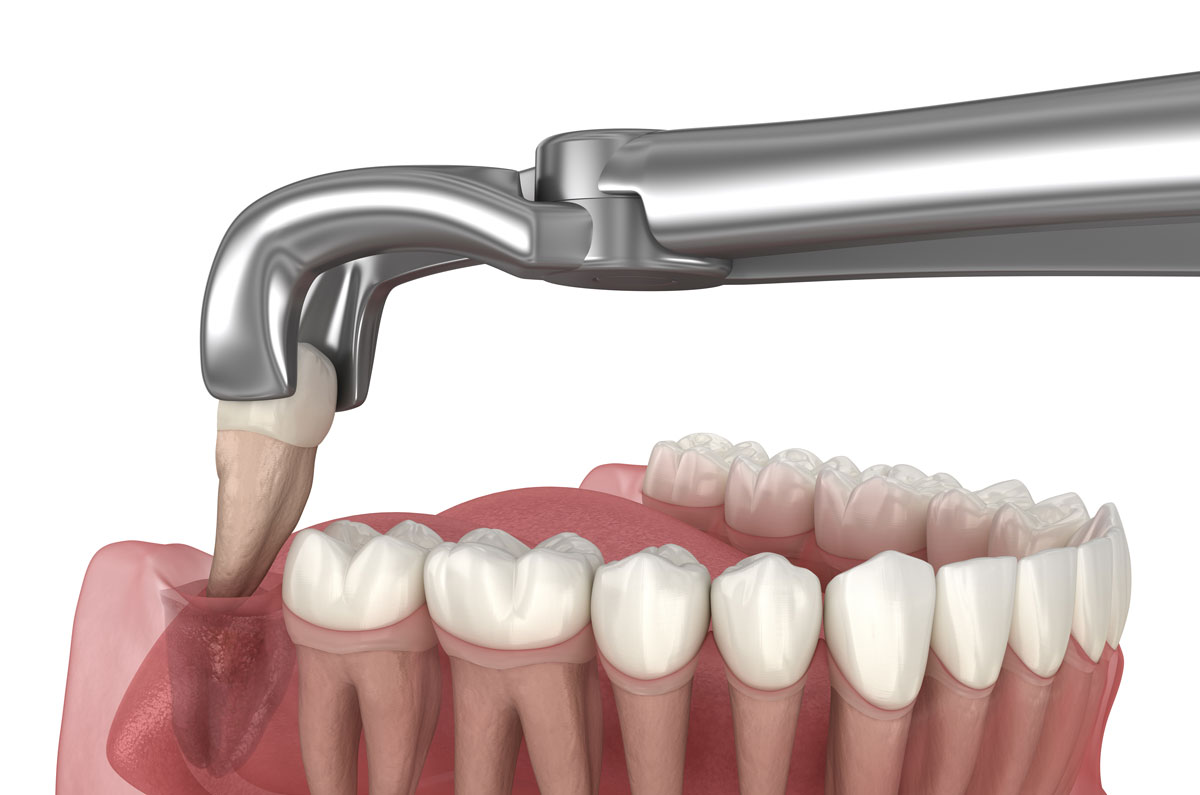
Wisdom teeth extraction is a routine procedure. Depending on the complexity of the case, it may be performed under local anesthesia, sedation, or general anesthesia.
The procedure typically involves:
- Comfort-focused anesthesia options
- Careful removal of the tooth or teeth
- Minimal disruption to surrounding tissue
- Post-operative instructions for healing
Most patients return to normal activities within a few days, with full healing occurring over several weeks.
Why Experience Matters for Wisdom Teeth Removal
Choosing a dental provider with experience in oral surgery makes a meaningful difference in comfort, safety, and outcomes. Skilled professionals use advanced imaging, modern techniques, and personalized care plans to reduce complications and support faster recovery.
Patients seeking wisdom teeth evaluation and extraction in New Jersey trust Pascack Dental Arts for comprehensive care, clear communication, and patient-centered treatment.
Frequently Asked Questions About Wisdom Teeth Removal
Question: At what age should wisdom teeth be evaluated?
Answer: Wisdom teeth should typically be evaluated during the late teenage years, even if no symptoms are present, to identify potential future problems early.
Question: Is it painful to remove wisdom teeth?
Answer: The procedure itself is not painful due to anesthesia. Some discomfort during recovery is normal and can usually be managed with medication and proper aftercare.
Question: How long does recovery take?
Answer: Most patients recover within a few days, with swelling and soreness gradually improving. Full healing of the extraction sites may take several weeks.
Question: Can wisdom teeth cause problems years later?
Answer: Yes. Even wisdom teeth that do not initially cause symptoms can lead to infections, decay, or gum disease later in life.
Question: What happens if I only remove some wisdom teeth?
Answer: In some cases, only problematic wisdom teeth are removed. Your dentist will recommend the best approach based on positioning, symptoms, and risk factors.
Making the Right Decision for Your Oral Health
So, do you really need your wisdom teeth removed? The answer depends on how your teeth are positioned, your age, your oral health, and your risk for future complications. While not everyone needs extraction, many patients benefit from proactive evaluation and timely removal.
If you or your teen are experiencing symptoms—or if wisdom teeth have never been evaluated—schedule a consultation with Pascack Dental Arts. A professional assessment can help protect your smile, comfort, and long-term dental health.